



***Trigger Warning: house fire, child loss***
Have you heard of the September 26th Project? I, admittedly, had not. Now that I have learned about it, I need you to do the same.
Feda Almaliti was an Autism advocate whose advocacy work started when her insurance company refused to pay for her son’s autism treatments. Along with a group of parents, she was able to work on a bill which significantly expanded autism health insurance coverage in California. She became Insurance Chair of the Bay Area Autism Regional Taskforce, as well as Director of Outreach for the Mental Health & Autism Insurance Project. Fedaco founded the National Council on Severe Autism and served as the vice president of the organization.
Above all else, Feda Almaliti was a mother.
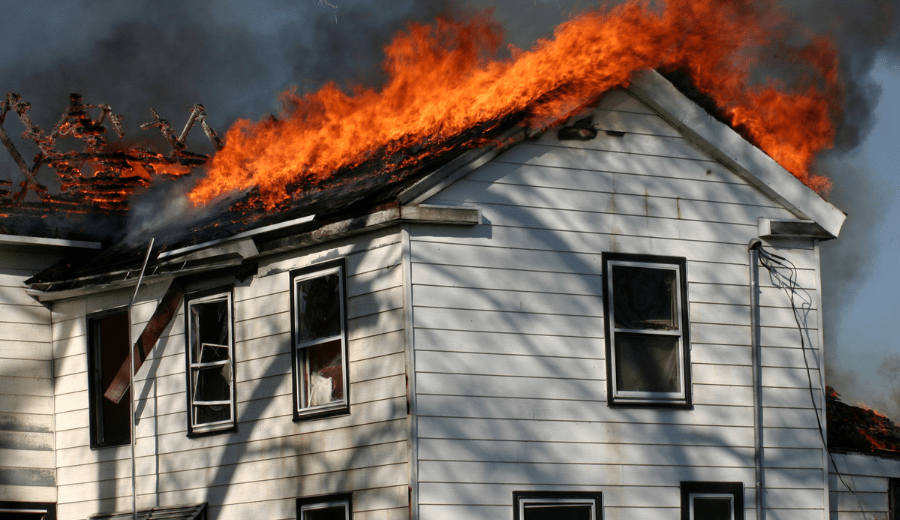
On September 26, 2020, she died in a house fire. Feda escaped along with her sister and niece but ran back into the burning house when she realized that her son with severe autism was still in the house. She died trying to save him. She was found embracing her son.
In honor of Feda and Muhammed, the National Council on Severe Autism began the September 26th Project which focuses on creating disaster preparedness plans.
 As a mom, I can say with 100% certainty that, if I had been in the same situation, I would have run into a burning building to hold my son. No questions asked. However, this is a situation that we can work to avoid. The September 26th Project sets aside a day when families can spend 10 minutes to set plans that can end up saving lives.
While it is important for every family to have emergency preparedness plans, it is especially important for families of individuals with severe autism. Given the unique challenges and sensitivities faced by those on the autism spectrum, ensuring safety in emergencies requires added layers of planning and consideration.
By creating a plan, you form a network of support that can model a sense of calm and foster an environment that will minimize stress for your loved ones. Having a plan in place, along with backup plans, can help to minimize unpreparedness and maintain a sense of calm should an emergency arise.
 The September 26th Project exists to help you determine your home’s safety and preparedness and provides additional support. They provide several checklists for different emergency situations. I urge you to look through each one and evaluate your family’s plan.
Here are three checklists to help save lives:
-
-
- Check and install smoke alarms on every floor.
- Check and install carbon monoxide detectors on every floor.
- Check and place a fire extinguisher on every floor.
- Have two exits out of the home planned. Children sleeping on the ground floor of the house is preferable.
- Familiarize yourself with the close the door initiative to prevent the spreading of fires.
- Establish a meeting spot to stay at in the event of a fire.
- Register with the local fire department.
- Have laminated or fire-resistant personal information ready.
- Natural Disaster Checklist
- Store medical information (diagnosis, medications, special instructions) locked and in a fire safe/flood safe place or saved electronically.
- Create a disaster supply kit. Include flashlight, batteries, cash, first aid supplies, and copies of critical information.
- Have food, water, blankets, candles, and medicine prepared in case you would need to be in your home without power.
- Have an emergency contact list or alternate location to go to if you need to evacuate. Additionally, have a “phone tree” to call.
- Know where your local evacuation/shelter location would be and know if they accommodate those individuals on the autism spectrum.
- Establish a “safe meeting place” if you get separated from each other in a natural disaster. Set a communication plan on where to meet.
- Know your rights regarding a natural disaster.
- Wandering Prevention Checklist
- Make sure your home is safely secured.
- Consider purchasing a locating device. GPS tracking can help you know where your loved one is at all times.
- Consider purchasing an ID bracelet.
- Teach your loved one to swim. Drowning is a leading cause of death in wandering individuals.
- Inform or register with your local first responders, including the Red Cross, police, and fire departments.
- Keep a log of wandering attempts, locations, and potential reasons why, in order to keep data and plan accordingly.
-
Spending just ten minutes on these checklists can save your loved ones in an emergency situation.
Especially if you or a loved one is living with an autism spectrum disorder, take the ten minutes to protect your family. The September 26th Project exists to make sure you and your family are prepared and protected. It also helps spread awareness to those of us unfamiliar with autism on how we can help our friends, neighbors, and community members.
If you or a loved one are living with an autism spectrum disorder, or know someone who is, ABA Pathways is here to help. ABA Pathways can assist families with learning techniques to teach safety skills through family guidance services. Additionally, they can work directly with clients to teach them these safety skills (e.g., following instructions, communicating wants and needs, etc.).
They are currently accepting new patients and exist to help your family find the optimal treatment program to meet your needs. If you are passionate about working with individuals living with an autism spectrum disorder, communication delays, or developmental disabilities, ABA Pathways is also currently hiring.
ABA Pathways is an incredible resource for families and wants to make sure that you and yours are safe, protected, and working towards a brighter future.