



Social and emotional learning (SEL), as defined by the North Carolina Department of Public Instruction, is a strengths-based, developmental process that begins at birth and evolves across the lifespan. It is the process through which children, adolescents, and adults learn skills to support healthy development and relationships. Adult and student social and emotional learning competencies include self awareness, self management, social awareness, relationship skills, and responsible decision-making.
Research indicates that social and emotional learning promotes academic achievement, well-being, positive life outcomes, decreased teacher burnout and can be a powerful tool for prevention and resilience when embedded with intentionality in curriculum, instruction, and school climate.
Social emotional learning, if done correctly, should be a system wide effort.
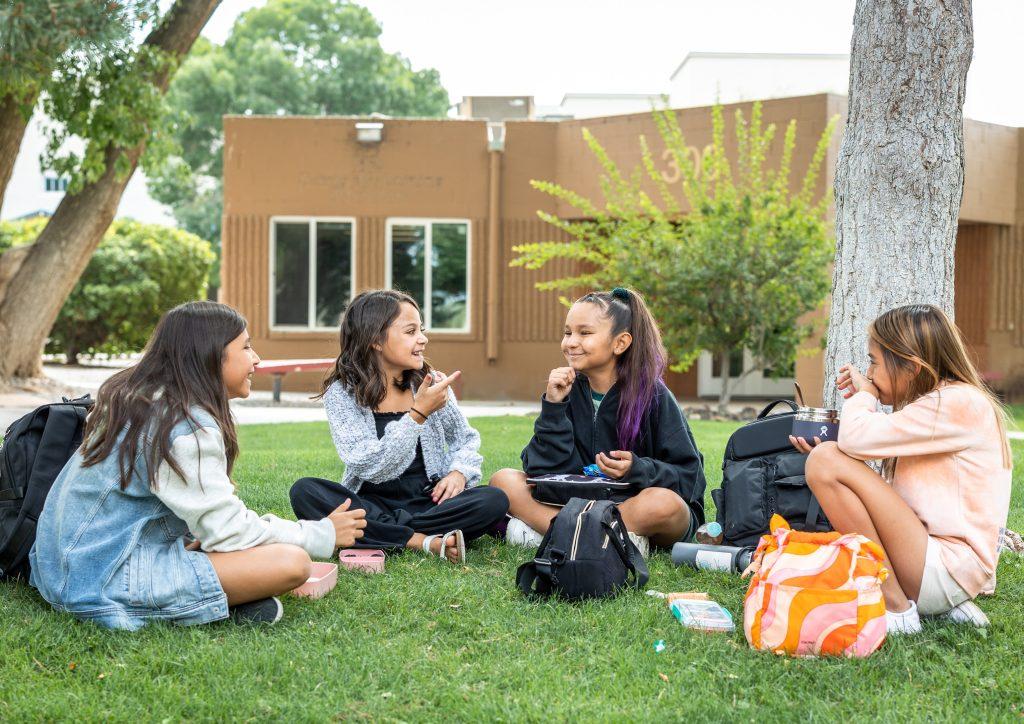 It starts with strong family, caretaker, and community connections. When we foster good relationships with our children, we set them up for success both emotionally and academically. This, included with district-wide integration, is needed to promote healthy and positive learning environments for kids.
Social and emotional learning includes five competencies:
- Self-awareness: The abilities to understand one’s own emotions, thoughts, and values and how they influence behavior across contexts.
- Self-management: The abilities to manage one’s emotions, thoughts, and behaviors effectively in different situations and to achieve goals and aspirations.
- Social awareness: The abilities to understand the perspectives of and empathize with others, including those from diverse backgrounds, cultures, and contexts.
- Relationship skills: The abilities to establish and maintain healthy and supportive relationships and to effectively navigate settings with diverse individuals and groups.
- Responsible decision-making: The abilities to make caring and constructive choices about personal behavior and social interactions across diverse situations.
How do these skills help in the classroom?
Social emotional learning has a significant impact on student success. When kids develop these competencies, they are better able to manage their emotions, develop relationships, and make responsible decisions. Additionally, these skills can help children have better problem-solving and cognitive abilities, which are critical to success in the classroom.
When kids have good problem-solving skills, they are better able to handle stress and focus on learning. This enhances their ability to process and retain information. Students are also able to set goals, manage time, and be more self-aware, which leads to further academic achievement.
Social emotional learning helps students develop a growth mindset and a positive attitude towards learning. Furthermore, students who engage in SEL tend to exhibit better behavior and are more likely to avoid negative behaviors such as substance abuse.
 Here are nine things you can do to bring social emotional learning home.
- Take care of yourself even when it feels hard. In order to take care of your children’s wellbeing, you much take care of your own emotional, social, and physical wellness. You cannot pour from an empty cup.
- Establish routines and intentionality. Routines ground us and provide a sense of familiarity and security.
- Presence is not the same as being present. Be intentional about spending time with your kids where there are no other distractions. Set aside time to focus solely on your children and your family.
- Commit acts of service or kindness to others. Practicing kindness for others helps us build an appreciation for our own lives and situations. It also helps us to appreciate our physical and mental health.
- Engage in creativity together. Being creative is inherently vulnerable. This helps adults and kids lower their guard and open up to each other more.
- Celebrate what you can. Have your kids journal or talk about the highlights of the day while you are at the dinner table. Celebrate the wins, no matter how small. When we stop and celebrate the good, we develop resilience to the negative events that may be happening in our lives.
- Practice active listening. Do not assume you know what your child needs. Ask questions, practice eye contact, and respond directly to their questions. Validate their feelings and acknowledge their fears and concerns. By validating our children’s emotions, we help them better accept and understand their feelings, develop self compassion, and empathize with others.
- Help your children express and name emotions. This helps your kids understand what they are feeling.
- Practice social emotional learning daily. Building important habits takes practice, and just as you brush your teeth every day, students and adults need daily opportunities to identify, express, and manage their emotions.
It’s always important to take care of you and your children.
Practicing social emotional learning will help them, but it will also help you. I personally have such a difficult time practicing some of this for myself, but I also understand why it is important for my children. It is definitely something we can all work on to better both ourselves and our children.